Irving's Emergency Water Extraction Specialists
Extract Standing Water Before It Spreads
Call for a free estimate after a pipe, appliance, roof, or storm leak sends water through the property.
Irving's Emergency Water Extraction Specialists
Call for a free estimate after a pipe, appliance, roof, or storm leak sends water through the property.
Emergency extraction starts with the obvious water, but the job does not end when the floor looks clear. In Irving slab homes, water can run under floating floors, baseboards, toe kicks, and cabinet boxes. Crews need to remove what they can, then look for the moisture path the water took.
The source matters. A clean supply line break gets treated differently from a washing machine overflow, dishwasher leak, roof leak, or water that has touched sewage or outdoor flooding. Category 1 water can become more contaminated if it sits, so timing affects both the drying plan and the material removal decisions.
Winter pipe bursts in Irving often start in attics, exterior walls, or garage-adjacent plumbing. By the time water appears indoors, insulation and framing may already be wet. Summer storms create a separate extraction problem when roof leaks or door intrusions feed water into rooms during several hours of heavy rain.
Irving Water Damage Restoration connects callers with contractors who can extract water, document the source, protect contents, and set up the next drying phase under IICRC S500 guidance.
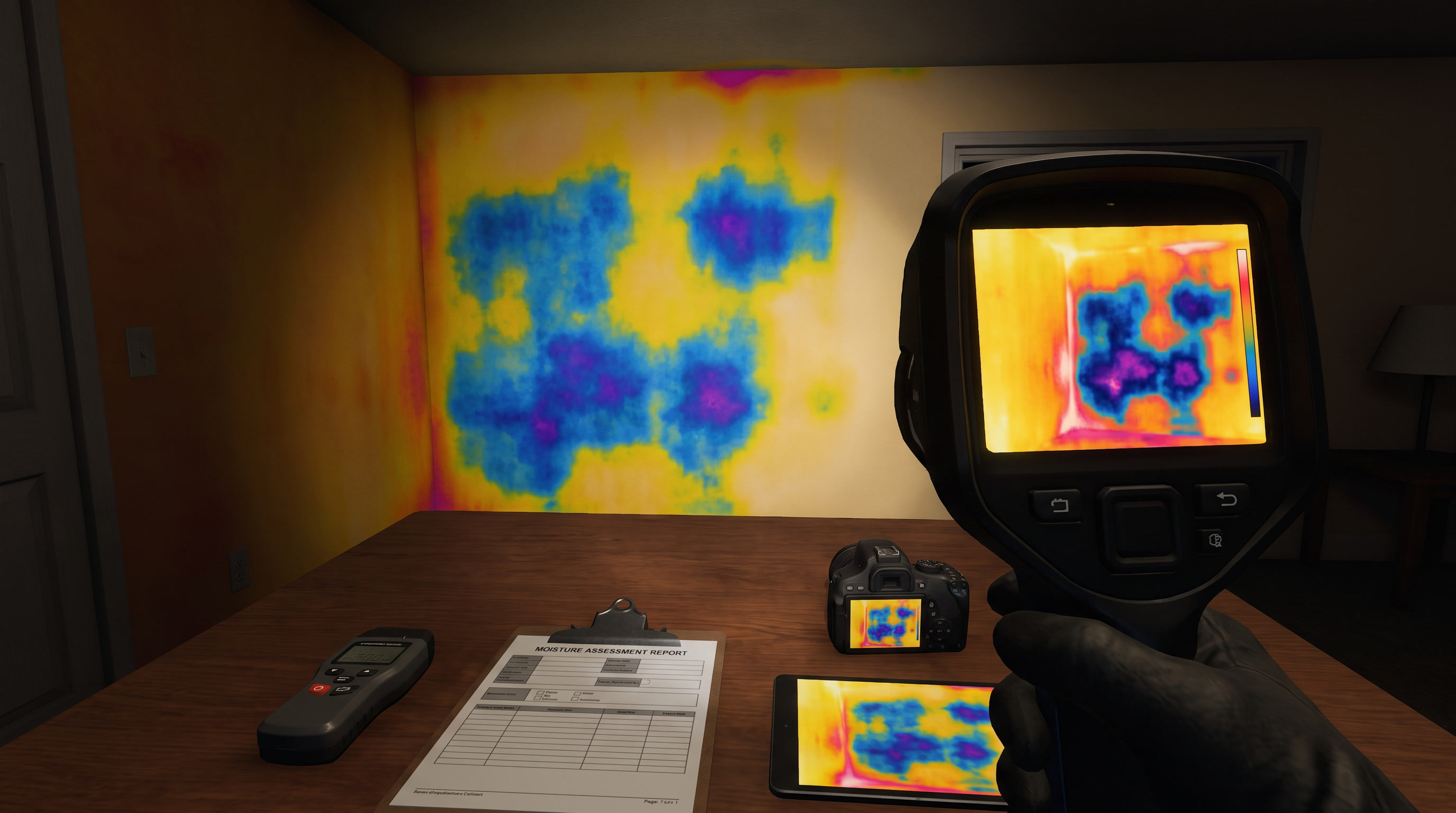
Emergency extraction combines source review, water removal, contamination screening, and early documentation so drying can begin with the right scope.
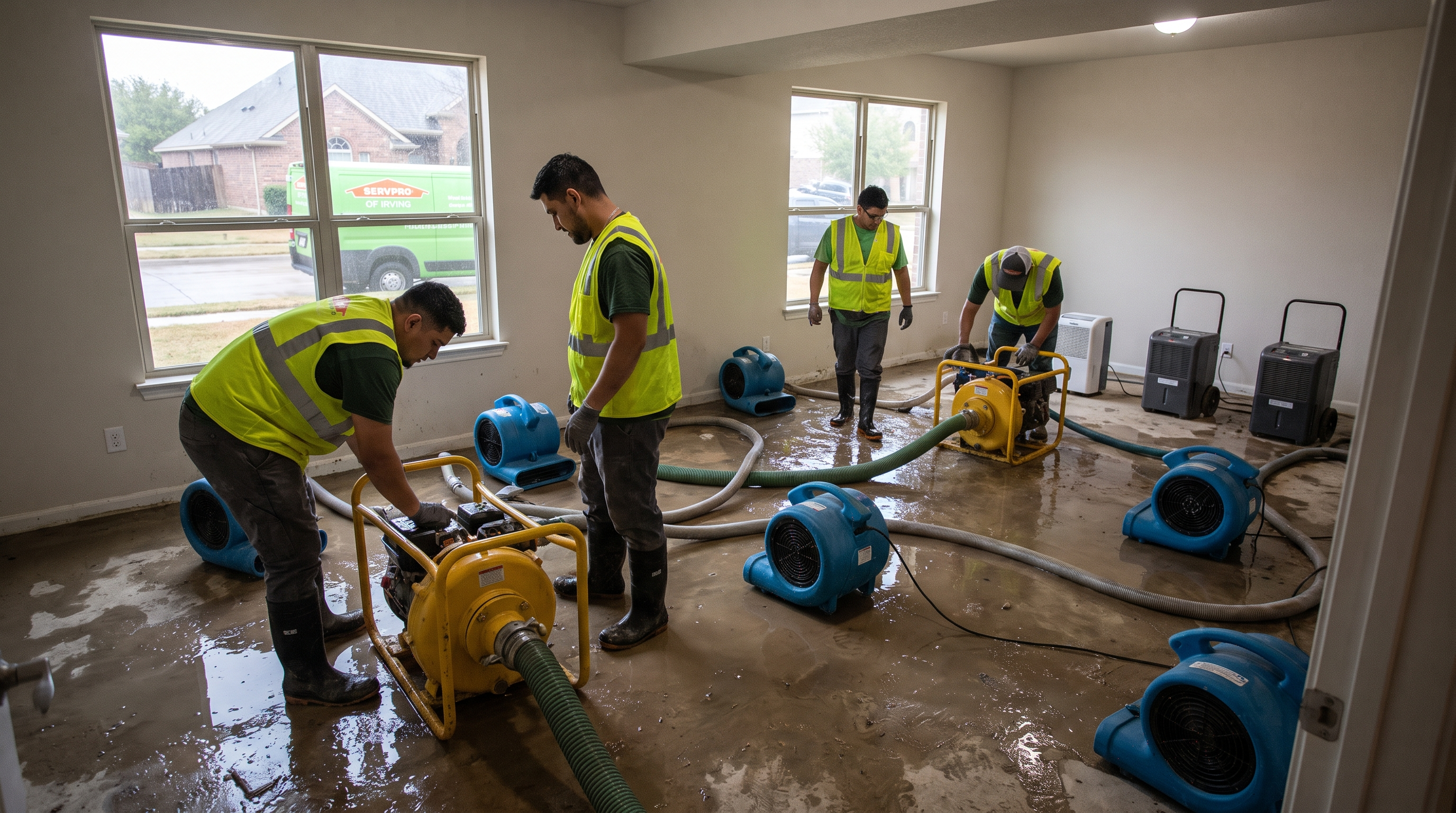
Contractors use pumps, extractors, and wet vac equipment to remove water from hard floors, carpet, cabinets, and affected rooms. They also check nearby spaces where water may have migrated across the slab.
Crews identify whether the water came from a clean supply line, appliance, roof opening, sewage source, or outside floodwater. The category controls PPE, disposal, cleaning, and whether porous materials can stay.
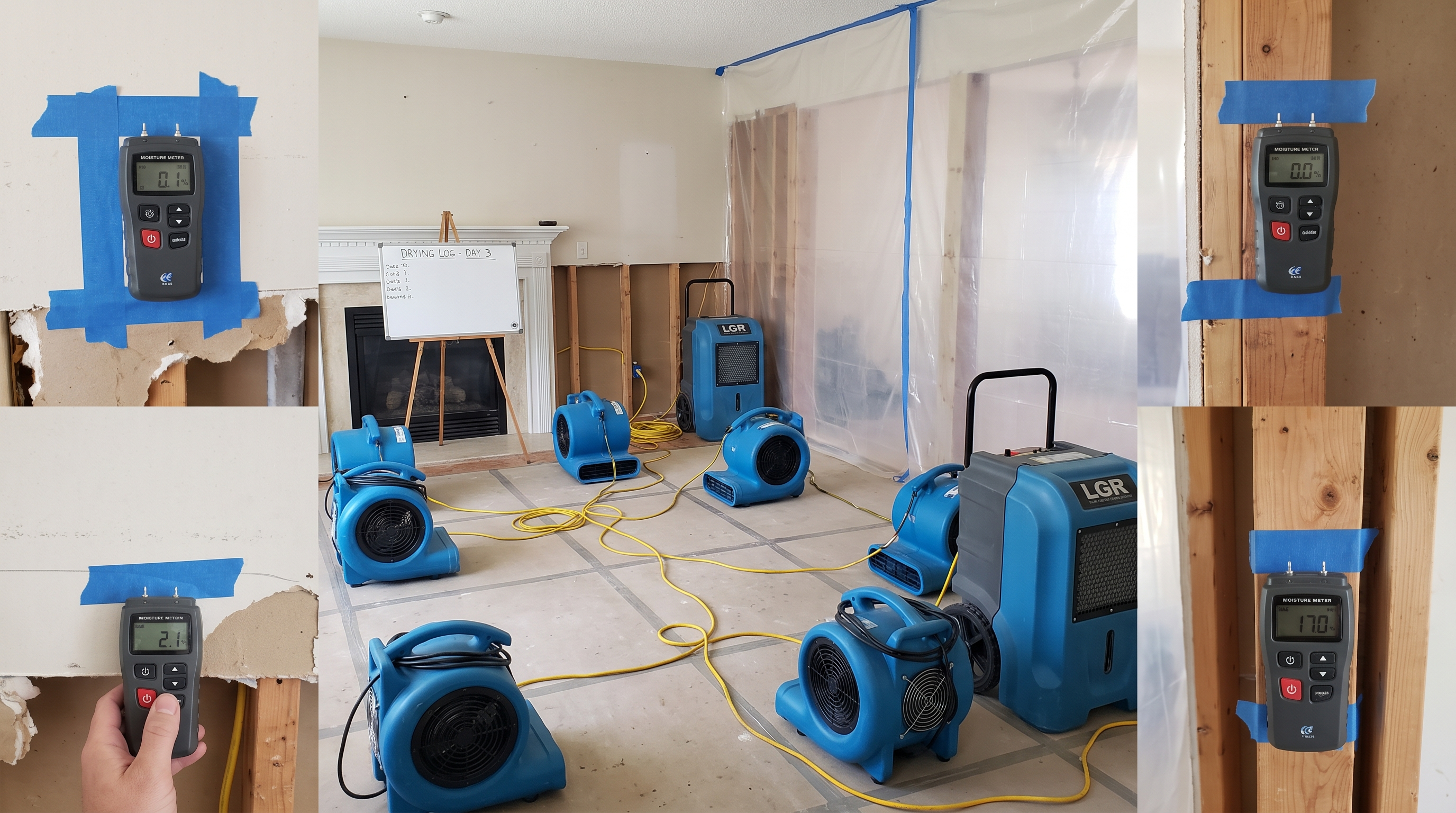
Photos, room notes, and moisture readings create the starting record for the job. This helps the homeowner, contractor, and insurance carrier separate extraction, drying, demolition, and rebuild items.
Burst attic pipes, slab-floor appliance leaks, and roof openings after DFW storms do not move water the same way. The contractor match focuses on the source and building layout before equipment gets placed.
Emergency work has to move quickly, but documentation still matters. Photos, moisture readings, and source notes help support covered sudden losses while mitigation protects the property.
Request extraction before drywall, cabinets, and flooring absorb more moisture.
Free — no obligations
The contractor confirms the water source, whether it has stopped, and whether contamination changes the response.
Photos, room notes, and first moisture readings are collected before cleanup alters the visible evidence.
Standing water is removed from floors, carpets, cabinets, and accessible cavities using extraction equipment suited to the surface.
The crew identifies wet materials, sets temporary controls, and prepares the area for structural drying and monitoring.