Irving's Structural Drying Specialists
Dry Hidden Moisture in Irving Homes
A room can look dry while moisture stays in walls, floors, and cabinet bases.
Irving's Structural Drying Specialists
A room can look dry while moisture stays in walls, floors, and cabinet bases.
Structural drying starts after extraction removes the water that can be seen. The bigger question is what water entered drywall, insulation, wood framing, subfloor layers, flooring, cabinets, and trim. In Irving slab homes, moisture can stay at the wall-floor joint and behind baseboards long after the surface dries.
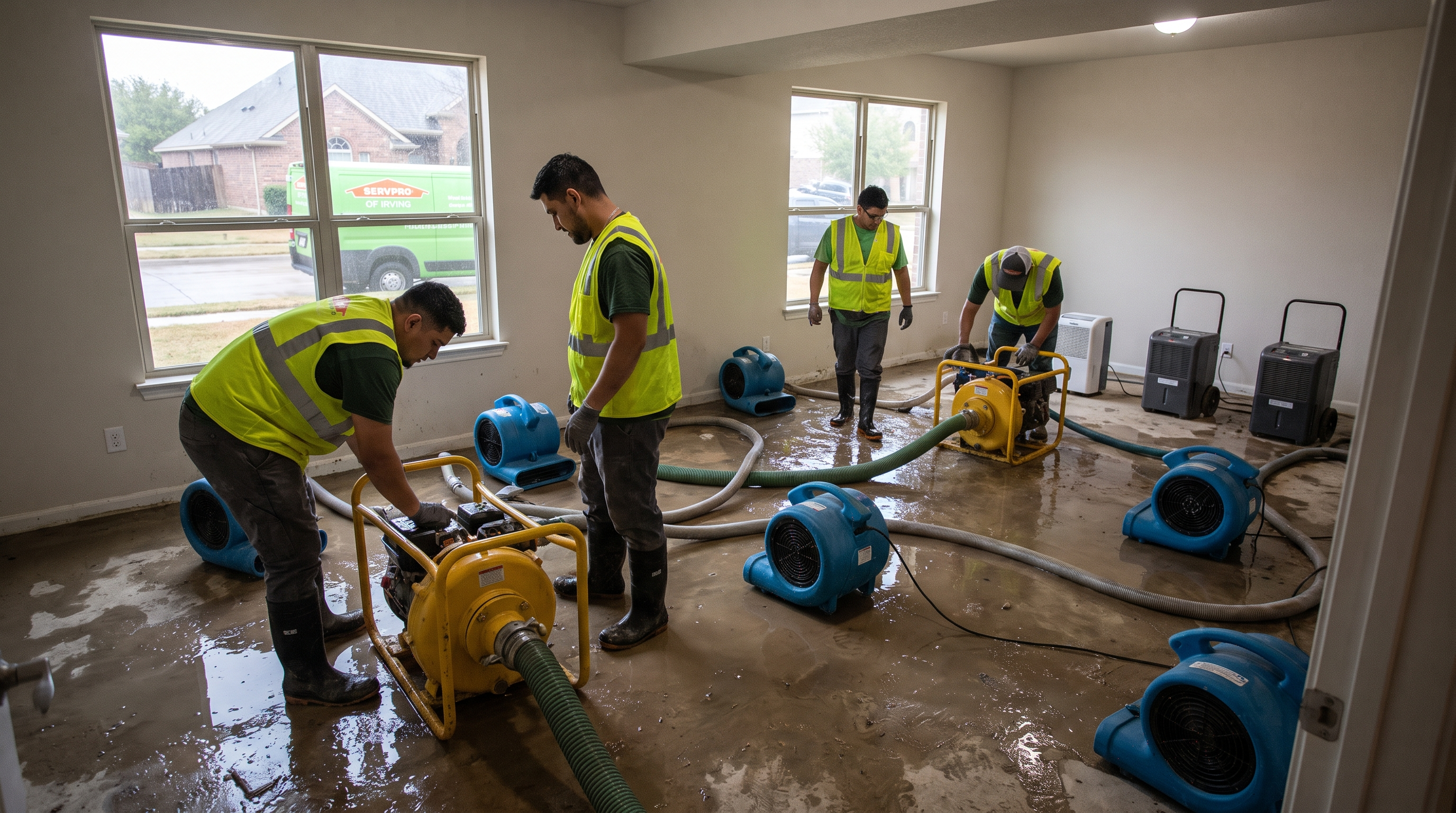
IICRC S500 drying uses a controlled approach: classify the water, map wet materials, set drying goals, place equipment, and monitor readings. Air movers push moisture out of wet surfaces while dehumidifiers remove water from the air. Heat, airflow, humidity, and material type all affect whether the setup works.
Drying decisions also affect demolition. Some wet materials can dry in place if the water is clean and the structure allows airflow. Other materials need removal because they are contaminated, delaminated, swollen, insulated, or trapping moisture where equipment cannot reach.
Irving Water Damage Restoration connects property owners with contractors who track moisture instead of guessing. That record matters for insurance and for preventing mold or long-term odor after a burst pipe, appliance leak, or roof leak.
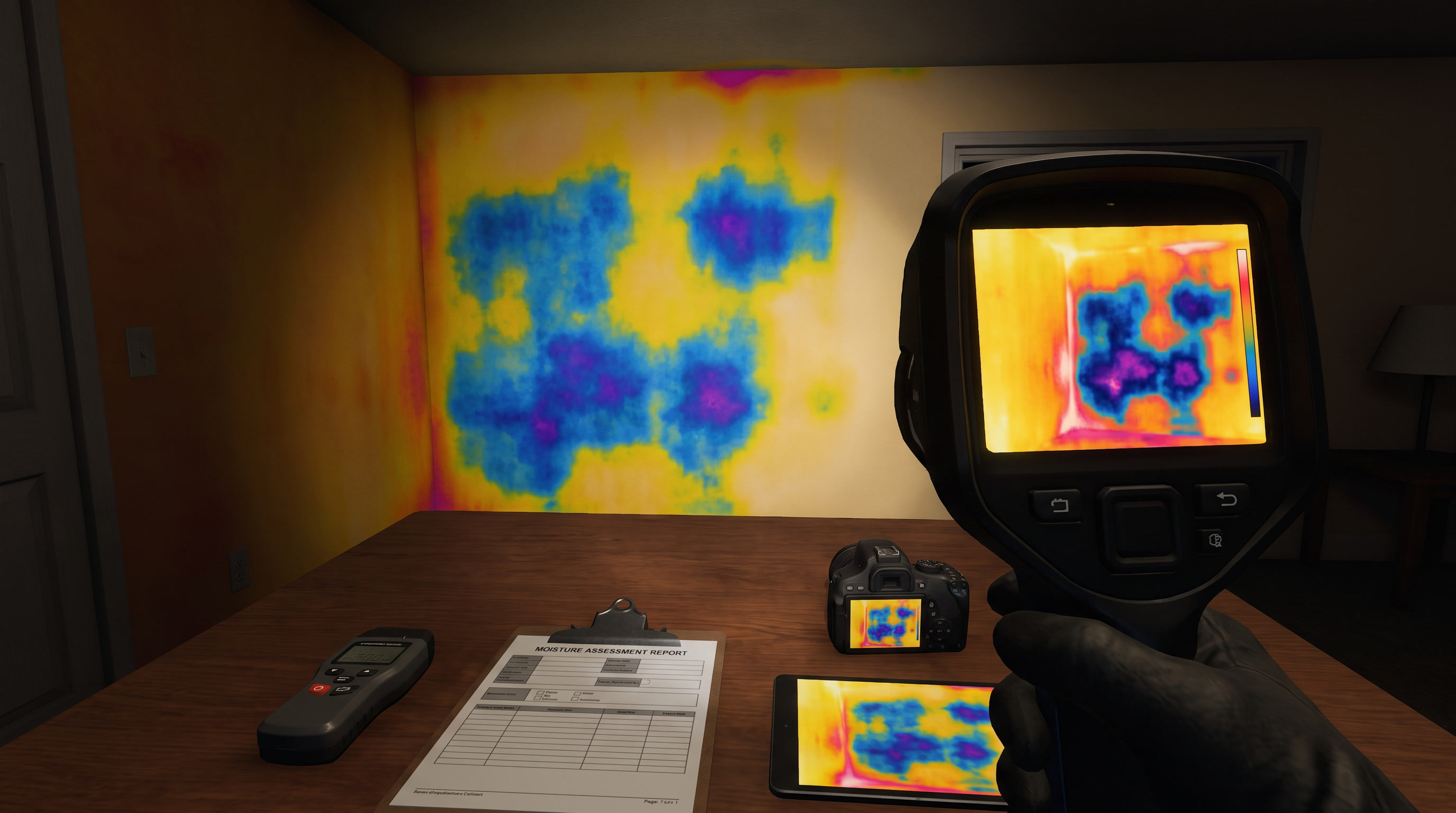
Structural drying uses measurement, controlled airflow, dehumidification, and follow-up readings to confirm progress.
Technicians use meters and inspection tools to locate wet drywall, flooring, trim, cabinets, insulation, and framing. Mapping shows where equipment belongs and which areas may need opening.
Air movers, dehumidifiers, containment, and temperature control are set based on the class of water loss and affected materials. The setup should dry the structure without blowing contamination into clean rooms.
Crews record moisture, humidity, and equipment readings during the drying period. Those logs show whether materials are drying or whether demolition, equipment changes, or added access is needed.
Contractors connected through the service use recognized drying principles instead of relying on a quick visual check. That matters when water hides below cabinets, under flooring, and behind trim.
DFW heat, storm humidity, and closed-up homes can slow drying if equipment is undersized or poorly placed. The right setup accounts for room conditions, materials, and airflow paths.
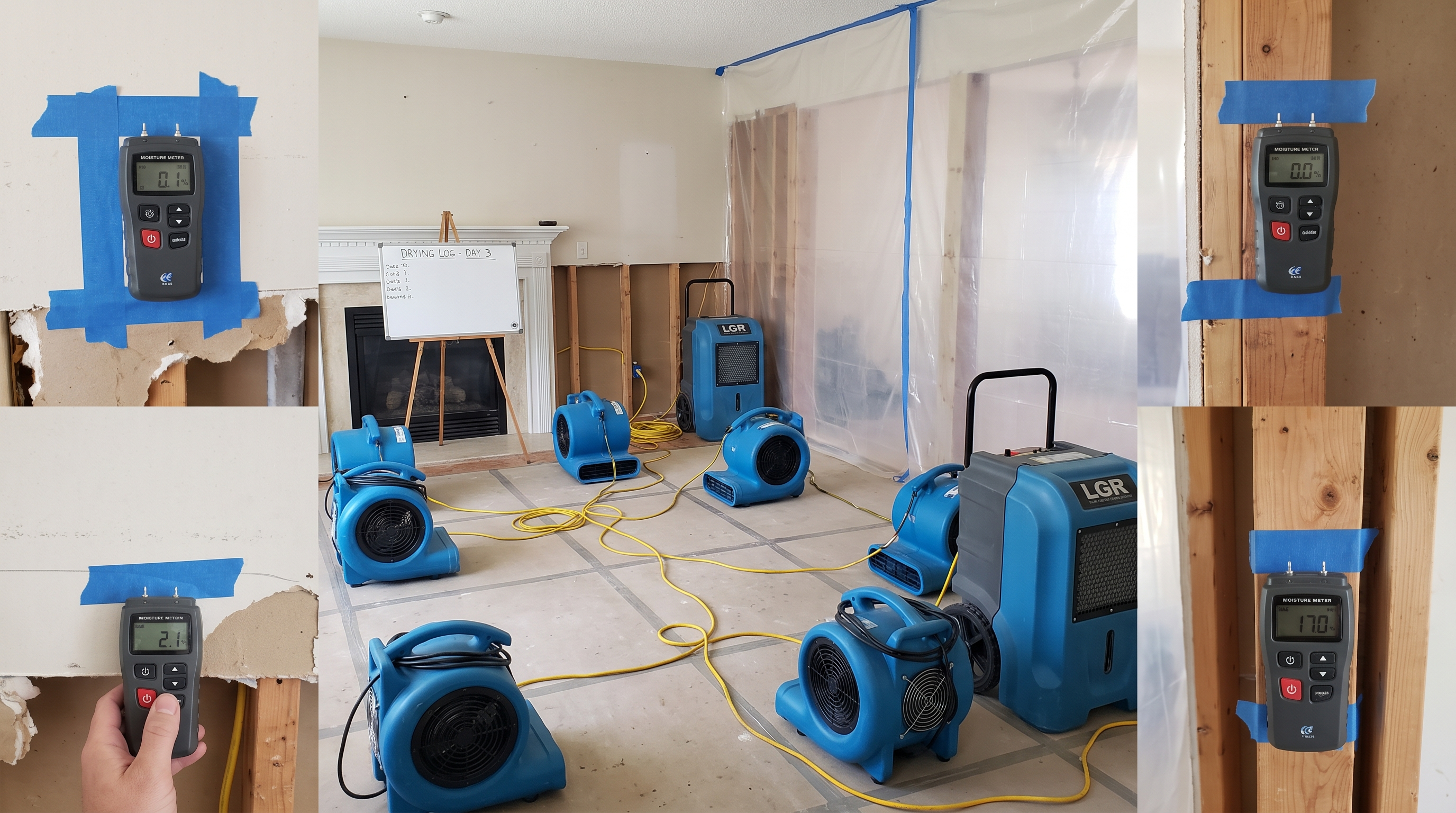
Start drying with readings, not guesswork.
Free — no obligations
The contractor checks affected rooms and nearby materials to map what is wet and what can dry.
Equipment, containment, access openings, and material removal are planned around the water category and moisture readings.
Air movers and dehumidifiers run in a controlled setup that moves moisture out of materials and into the drying system.
Technicians monitor the job until materials reach target moisture levels or the scope calls for removal and repair.